
Stop asking the motor to try again
If the opener strains, the door hangs crooked or a cable is loose, stop operating it. Repeated attempts can add damage. Keep people away from an unstable opening and don't loosen springs, cable brackets or lifting hardware.
Tell the repair company what you saw before the door stopped: a loud bang, one side moving first, a remote that failed or a door that reversed near the floor. Those details are more useful than deciding which part to buy.
Say what still responds
Does the wall button work when the remote doesn't? Do the opener lights come on? Does the motor run without moving the door? You can describe what you have already noticed without putting the door through more test cycles.
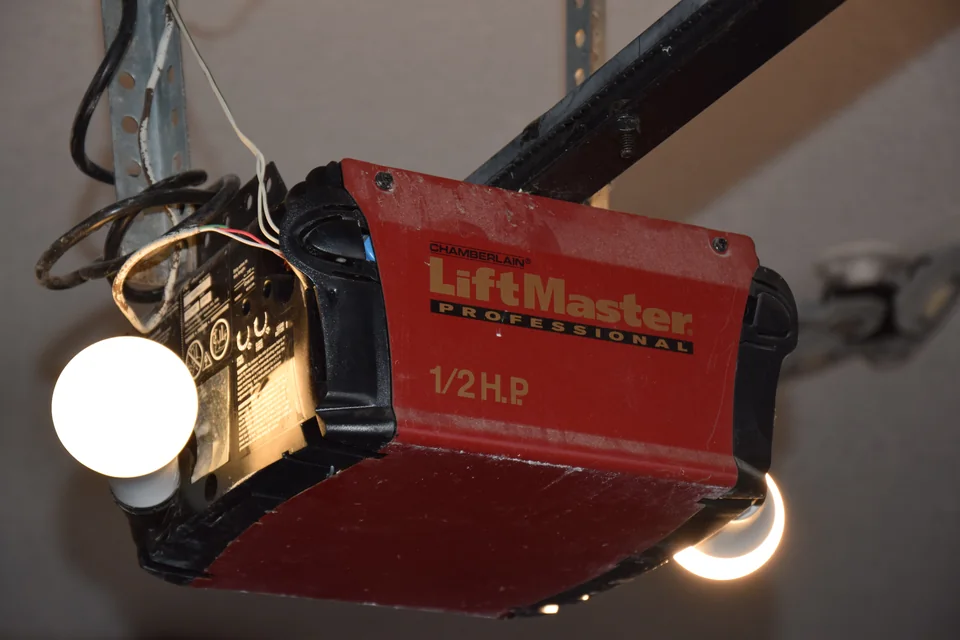
For garage door repair in Edmonds, a photo of the opener label and a view of the closed door can help identify the equipment. A photo doesn't replace an inspection of the lifting system.
Compare the work, not just the part name
A quote for an opener and one for a spring replacement cover different work. Ask what the proposed repair includes, what happens if more damage is found and whether the door's operation will be checked afterward.
Repairing the fault may let you keep otherwise sound equipment. Replacement can make sense when wear, damage or parts availability changes the picture. You should know the reason for the recommendation before agreeing to it.