
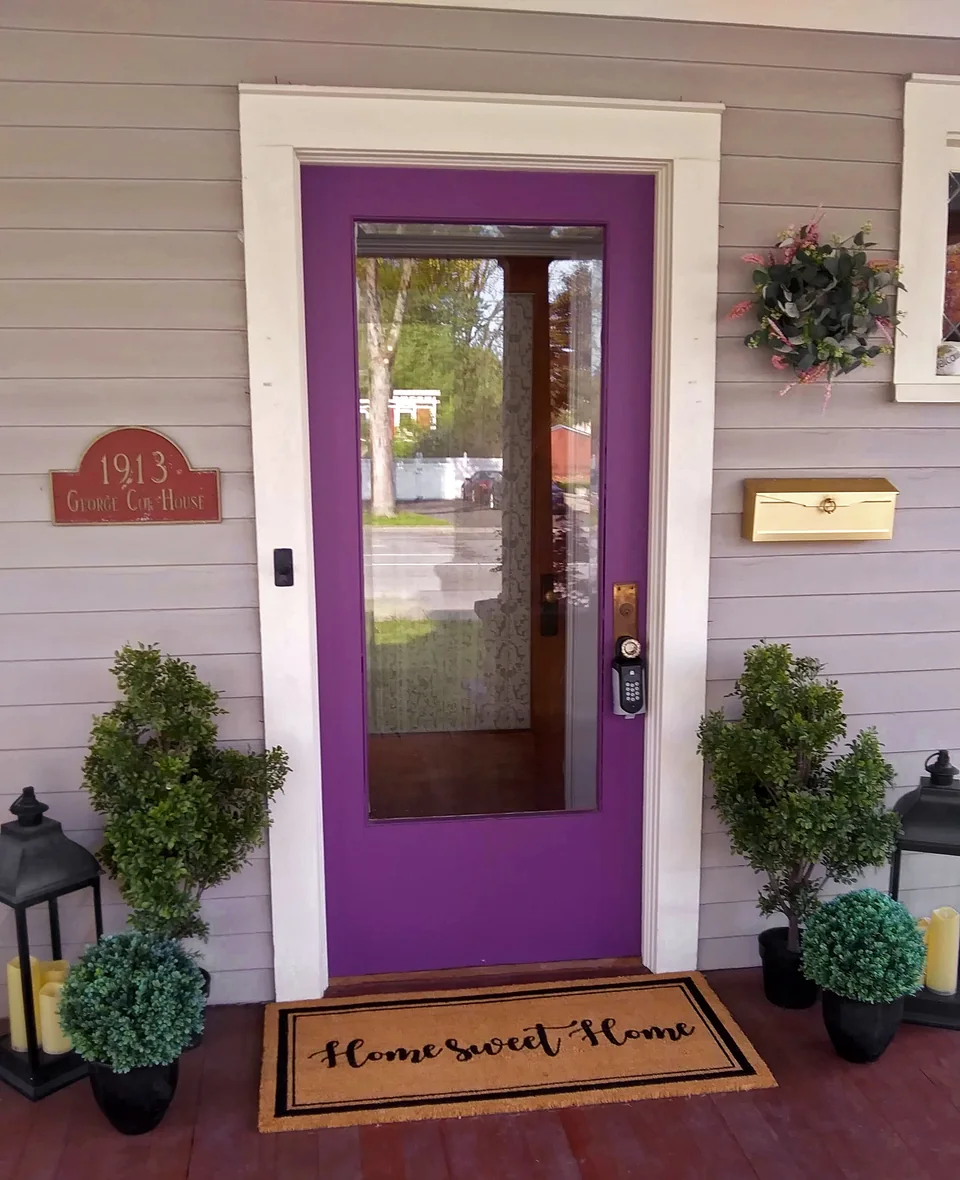
Describe the habit you've had to learn
Small workarounds are useful clues. You may need to lift the handle, turn the key twice or lean against the door. A lock that works in the morning but catches later gives a different history from one that stopped after the key bent.
Tell us when it began and whether the door itself rubs. If you've already changed a key or tightened something, mention that too. We don't need you to identify a cylinder or latch. We need a clear picture of what happens when you use it.
Look beyond the keyhole
The cylinder is only part of the assembly. The latch, bolt, handle, fixings and strike all contribute. A worn key can cause trouble, but so can a loose part or an opening in the frame that no longer lines up.
For lock repair in Edmonds, our locksmith checks that relationship. Where practical, we compare operation with the door open and closed, then explain what appears to be causing the fault. A new lock fitted into an unresolved door-fit problem may still be hard to use.
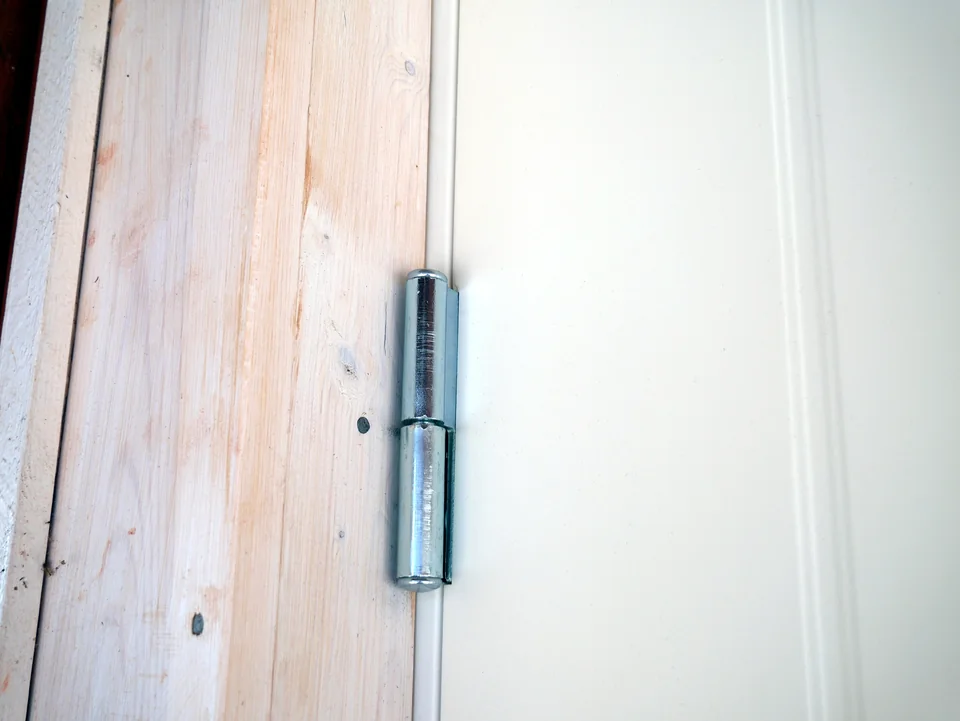
Repair what makes sense to repair
Sound hardware may only need an appropriate repair or adjustment. Worn or damaged components may need replacing. Some locks have limited replacement parts, and condition can make a full replacement the more sensible choice.
We'll explain the proposed work and its cost before you agree. If a replacement is needed, it should suit the door, the existing preparation and the people using it. If the concern is old keys as well as a fault, we can discuss rekeying separately.
Try the door without the workaround
Once the work is done, use the entrance as you normally would. Close it, let the latch catch and turn the key. Try the inside control too. It should be clear whether the original sticking, looseness or catching has been addressed.
Avoid forcing a key that's twisting or about to snap. If the door can't be secured, tell us when you call 425-527-8687 so we can check the next visit and the situation. If you're already locked out, our emergency locksmith service is the appropriate request.